Interest in the best beef tallow for skin has grown as more people explore traditional and minimalist skincare ingredients.
Tallow, rendered from beef fat, is promoted as a rich, natural moisturizer that supports the skin barrier. While some users report deep hydration and improved softness, not all tallow products are created equal.
Quality, sourcing, and processing methods play a major role in how well a product performs on the skin. Impurities, poor storage, or lack of proper filtration can affect both safety and effectiveness.
Before adding it to your routine, it helps to understand what distinguishes a high-quality option from a poorly prepared one.
1. What Makes the Best Beef Tallow for Skin?
The best beef tallow for skin starts with proper sourcing and careful processing. High-quality tallow is typically rendered slowly at controlled temperatures to preserve its fatty acid profile while removing impurities.
Grass-fed sources are often preferred because they may contain a more favorable balance of nutrients, though purity and filtration matter just as much as diet claims.
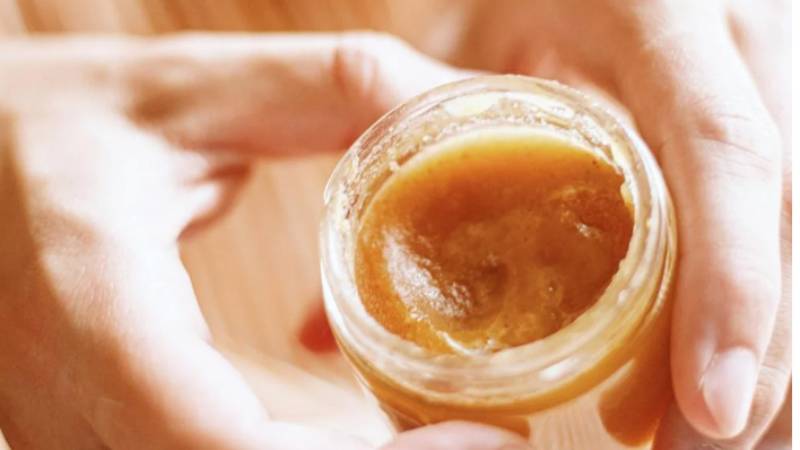
A well-prepared product should have a clean, mild scent rather than a strong or rancid odor. Color can range from creamy white to pale yellow, but it should appear smooth and uniform without visible particles. Properly filtered tallow reduces the risk of irritation and improves overall skin compatibility.
Texture also plays an important role. Some brands whip or blend tallow with small amounts of plant oils to create a softer consistency.
While pure tallow can feel dense, a well-formulated version should melt easily upon contact with skin and spread evenly without excessive greasiness.
Quality control, storage conditions, and hygiene standards further determine whether a product is suitable for topical use.
2. Key Factors to Consider Before Buying
Before selecting a product, evaluate how it is made, stored, and labeled. Even natural ingredients require proper handling to maintain safety and effectiveness.
Texture and Absorption
A high-quality product should soften quickly when warmed between fingers and absorb gradually into the skin. If it remains excessively greasy for long periods, it may feel uncomfortable for facial use.
Ingredient List Transparency
The label should clearly state whether the product contains 100 percent tallow or additional oils, fragrances, or essential oils. Transparency helps you assess potential irritation risks and understand what you are applying.
Oxidation and Shelf Life
Because tallow contains fats, it can oxidize over time. Products should include information about storage recommendations and expiration dates. A sour or unusually strong smell may indicate spoilage.
Packaging That Prevents Contamination
Airtight, opaque containers help protect against light and air exposure. Packaging that limits repeated finger contact, such as spatula use or pump systems, can reduce the risk of contamination and prolong product freshness.
>>>Read more: Cosmetics for Dark Skin: How to Choose the Best Products and Treatments That Truly Work
3. Best Beef Tallow for Skin Based on Skin Type
The best beef tallow for skin depends heavily on individual skin type and tolerance. While some people benefit from its rich, occlusive texture, others may find it too heavy. Matching the product to your skin’s needs reduces the likelihood of congestion or irritation.
For Very Dry Skin
Very dry skin often lacks both water and protective lipids. A pure, well-rendered tallow balm can help reduce moisture loss by forming a protective layer on the surface.
Individuals with rough patches, flaking, or winter-related dryness may find that it softens tight areas effectively. Applying a small amount over slightly damp skin can improve comfort and absorption.
For Mature Skin
Mature skin tends to become thinner and less elastic over time. Because tallow is rich in fatty acids, it may help improve surface smoothness and reduce the appearance of dryness-related fine lines.
Some formulations are blended with gentle botanical oils to improve spreadability. A lightweight layer is usually sufficient to avoid excessive shine.
For Sensitive Skin
Sensitive skin requires extra caution. A product with minimal ingredients and no added fragrance is generally safer.
Testing for purity and monitoring for redness or itching is important, especially if the skin barrier is already compromised. A simplified formula without essential oils reduces the risk of irritation.
Who Should Avoid It (Acne-Prone)
People with acne-prone or very oily skin may not tolerate dense occlusives well. Because tallow creates a strong moisture-sealing layer, it can feel heavy and may contribute to clogged pores in individuals already prone to breakouts. In these cases, lighter, non-comedogenic moisturizers often perform better.
4. How to Patch Test Beef Tallow Before Full Use
A patch test helps determine whether your skin can tolerate beef tallow for skin before applying it more widely.
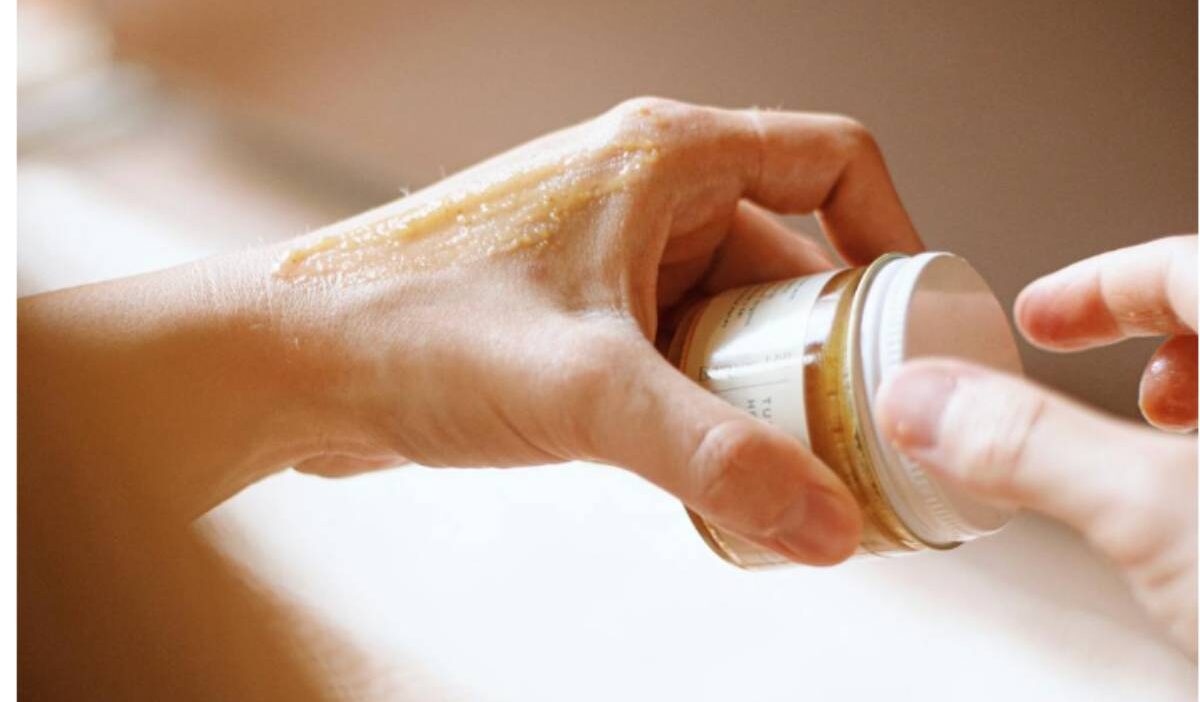
Apply a small amount to a discreet area such as the inner forearm or behind the ear. Leave it in place and observe the area for 24 to 48 hours.
Watch for redness, itching, swelling, or delayed breakouts. Even if no immediate reaction occurs, congestion may develop after repeated use. If irritation appears, discontinue use.
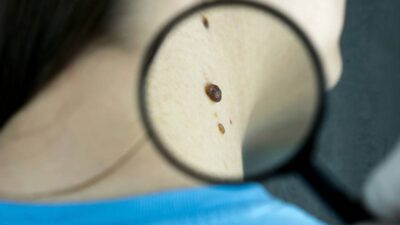
While researching skincare topics, people sometimes ask unrelated questions, such as does insurance cover skin tag removal. Coverage varies depending on whether removal is considered cosmetic or medically necessary.
This issue is separate from topical skincare use and typically requires consultation with a healthcare provider or insurance representative.
5. FAQs
Why don’t dermatologists like beef tallow?
Some dermatologists express caution because beef tallow lacks standardized clinical testing compared to regulated cosmetic products. Its heavy texture may also contribute to clogged pores in acne-prone individuals.
What tallow does Khloe Kardashian use?
Public discussions occasionally mention celebrity interest in tallow-based skincare, but brand preferences can change and are not always confirmed. It is best to focus on product quality rather than celebrity endorsement.
Do celebrities use beef tallow?
Some public figures have referenced traditional or animal-based skincare ingredients. However, trends in celebrity routines do not replace evidence-based evaluation of product safety and suitability for your own skin.
6. Conclusion
The best beef tallow for skin is one that is properly sourced, carefully processed, and suitable for your specific skin type. It may offer strong moisture retention for very dry areas, but it can feel too heavy for oily or acne-prone skin.
Product quality, storage, and patch testing play important roles in safety. Evaluating your skin’s needs and observing how it responds over time helps determine whether this traditional ingredient fits into your routine.
Follow 456 Skin for expert-backed skincare insights and practical tips you can trust.