Clear, healthy-looking skin is not about perfection. Knowing how to get clear skin begins with recognizing that breakouts, clogged pores, and uneven tone are often signs of imbalance rather than personal failure.
Many people chase fast results with harsh products, but lasting clarity usually comes from restoring barrier function, regulating oil production, and calming inflammation.
This guide breaks down what clear skin really means and outlines practical steps you can follow to build a routine that delivers steady, realistic improvements over time.
1. What Clear Skin Really Means From a Skin Health Perspective
Clear skin does not mean flawless or poreless skin. From a dermatological perspective, it refers to balanced oil production, minimal active inflammation, even tone, and a stable skin barrier. Occasional blemishes can still occur in healthy skin.
The goal when learning how to get clear skin is not perfection, but consistency, reduced breakouts, and faster recovery from minor flare-ups.
Healthy skin functions properly. It regulates oil, defends against bacteria, and renews itself in steady cycles. When these systems stay balanced, breakouts become less frequent, and marks fade more efficiently.
2. The Root Causes Behind Breakouts and Uneven Skin
When learning about how to get clear skin, you might notice that breakouts rarely happen for just one reason. Most cases involve a combination of oil imbalance, inflammation, hormonal activity, and barrier disruption. Addressing surface symptoms alone often leads to temporary results.
Excess Sebum and Clogged Pores
When sebaceous glands produce more oil than the skin can manage, pores become congested. Dead skin cells mix with sebum and form blockages, which can lead to blackheads, whiteheads, and inflamed acne lesions. Gentle exfoliation and proper cleansing help regulate this cycle.
Inflammation and Bacterial Overgrowth
Inflammation plays a major role in acne formation. When pores are blocked, bacteria can multiply within the pore, triggering redness and swelling. Reducing inflammation is just as important as controlling oil production when working toward clearer skin.
Hormonal Fluctuations
Hormones influence oil glands directly. Changes during puberty, menstrual cycles, stress, or certain medical conditions can increase breakouts. Hormonal acne often appears along the jawline and lower cheeks and may require targeted treatment.
Impaired Skin Barrier Function
A weakened barrier makes the skin more reactive and prone to irritation. Over-exfoliating, using harsh products, or skipping moisturizer can damage this protective layer. When the barrier is compromised, inflammation increases and healing slows, making breakouts linger longer.
3. What Your Skin Actually Needs to Become Clear
Clearer skin is usually the result of balance, not intensity. Instead of harsh scrubbing or constantly switching products, the skin needs steady oil regulation, controlled cell turnover, reduced inflammation, and strong barrier support.
Overloading the routine with too many actives often weakens the barrier and triggers more breakouts.
Hydration is equally important. Even oily or acne-prone skin requires moisture to maintain stability. When the barrier is intact, healing improves, and new blemishes are less likely to become inflamed.
Consistency, patience, and simplicity tend to produce more reliable long-term improvement than aggressive treatments.
Read more: Macerated Skin: What It Is, What It Looks Like, and How to Treat It Safely
4. How to Get Clear Skin With a Balanced Daily Routine
Learning how to get clear skin naturally at home begins with building a routine that supports the skin instead of overwhelming it. Small daily habits, repeated consistently, have a stronger impact than occasional intensive treatments.
Cleanse Gently but Consistently
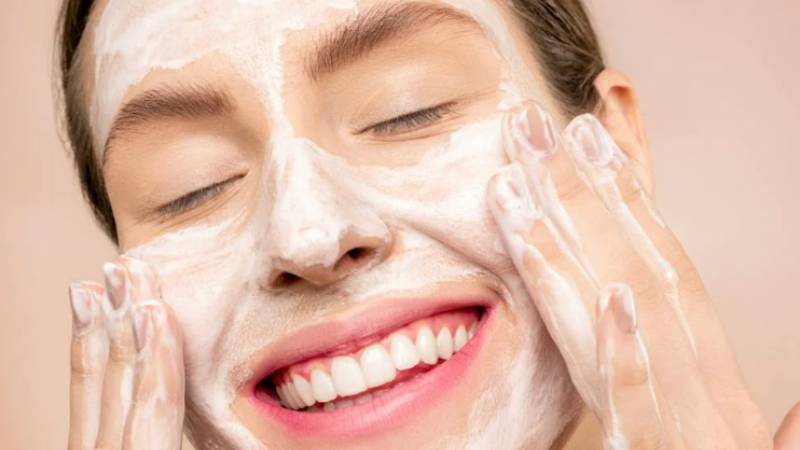
Cleansing twice daily removes excess oil, sunscreen, and buildup without stripping the skin. Harsh foaming cleansers can disrupt the barrier and trigger rebound oil production. A gentle formula helps maintain balance while keeping pores clear.
Use Targeted Ingredients for Active Breakouts
Spot treatments containing ingredients like salicylic acid or benzoyl peroxide can reduce active blemishes. For long-term clarity, ingredients that regulate oil and promote gradual cell turnover are more effective than repeatedly drying out individual pimples.
Repair and Protect the Skin Barrier
A stable barrier reduces redness and speeds healing. Moisturizers with ceramides, glycerin, or hyaluronic acid help prevent water loss and maintain flexibility. Barrier support also lowers the likelihood of post-inflammatory marks.
Apply Sunscreen Daily to Prevent Dark Marks
Most likely, when you search for an answer for how to get clear skin, you are more often seeing that it is highly recommended to put on sunscreen. Sun exposure can worsen pigmentation left behind by breakouts. Daily sunscreen protects healing skin and prevents existing spots from becoming darker. Consistent UV protection is essential for maintaining a more even and clearer complexion over time.
5. How Long Does It Realistically Take to See Clearer Skin
Clearer skin is a gradual biological process, not an instant result. The outer layer of skin renews itself roughly every 28 to 40 days, depending on age and overall skin health.
Because of this natural cycle, most topical treatments require at least four to six weeks before visible improvement becomes noticeable. Early changes may include reduced redness, fewer new breakouts, and a slightly smoother texture.
For mild congestion or occasional pimples, improvement may begin within a month if the routine is consistent. However, moderate acne, deeper clogged pores, or hormonally influenced breakouts often require eight to twelve weeks or longer. Ingredients such as retinoids and exfoliating acids need time to regulate oil production and normalize cell turnover.
It is also common to experience a temporary adjustment period. Some treatments may cause a temporary increase in breakouts (sometimes referred to as purging), particularly with ingredients like retinoids or exfoliating acids, where clogged pores surface more quickly before the skin stabilizes.
Stopping products too early or switching routines frequently can interrupt progress and delay results. Consistency, gentle support, and barrier protection are usually more effective than aggressive short-term strategies.
6. When Persistent Acne Needs Professional Treatment
If breakouts remain inflamed, painful, or widespread after several months of consistent over-the-counter care, professional evaluation may be necessary.
Cystic acne, nodular lesions, or acne that leaves deep marks often requires prescription-strength treatment. Hormonal patterns, especially breakouts concentrated along the jawline or lower cheeks, may also benefit from medical assessment.
Dermatologists can determine whether underlying factors such as hormonal imbalance, chronic inflammation, or medication side effects are contributing to persistent acne.
Treatment options may include prescription retinoids, oral antibiotics for short-term control, hormonal therapies, or advanced procedures such as chemical peels and light-based treatments.
Seeking medical guidance is especially important if acne is causing scarring or significant emotional distress. Early intervention can reduce long-term skin damage and improve overall treatment outcomes.
7. FAQs
Can diet affect breakouts?
Yes. High-glycemic foods and certain dairy products may worsen acne in some individuals, though responses vary.
Should I exfoliate every day to clear my skin faster?
Daily exfoliation is often unnecessary and can weaken the barrier. Most people benefit from limited, controlled exfoliation.
Do natural remedies work for acne?
Some natural ingredients may help mildly, but effectiveness depends on formulation and skin type. Consistency is key.
Can stress cause acne?
Stress can increase inflammation and oil production, which may contribute to breakouts.
Is it possible to have completely flawless skin?
Perfect skin is unrealistic. Healthy skin may still experience occasional blemishes, but balanced care helps minimize their frequency and severity.
8. Conclusion
Clearer skin develops through steady, supportive care rather than extreme measures. A routine built around gentle cleansing, targeted treatment, barrier repair, and daily sun protection creates the conditions needed for gradual improvement. Progress may take weeks or months, depending on severity, but consistency remains the most reliable factor.
When over-the-counter strategies are no longer effective, professional support provides access to stronger and more precise treatment options. With patience, realistic expectations, and a balanced approach, visible improvement becomes achievable without compromising long-term skin health.
Follow 456 Skin for expert-backed skincare insights and practical tips you can trust.