
Have you ever noticed that two people with similar complexion depth can look completely different in certain colors? That difference often comes down to more than just light or dark skin.
Understanding different skin tones means looking at surface color, melanin levels, and underlying undertones together. These factors influence how foundation matches, which clothing shades flatter you, and how your skin reacts to sun exposure.
In this guide, you will learn how different skin tones are categorized, what affects them, and how to identify your own accurately.
1. What Are The Different Skin Tones?
The term different skin tones refers to the visible surface color of the skin, which ranges from very fair to very deep. This variation is primarily determined by the amount and type of melanin produced in the skin. Melanin is the pigment responsible for giving skin, hair, and eyes their color.
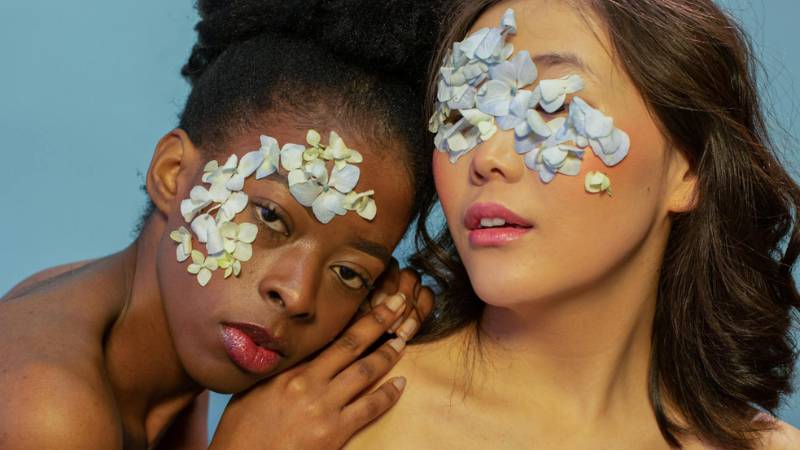
When discussing different types of skin tones, they are often grouped into broad categories such as:
- Fair
- Light
- Medium
- Tan or olive
- Deep
- Very deep
These categories describe overall depth, not undertone. Two individuals may both have medium skin, yet one may have warm undertones while the other has cool undertones.
Understanding this distinction of “what are different skin tones” helps explain why foundation shades and color choices can look different on people with similar surface tones.
2. The Main Categories of Different Skin Tones
Skin tones are usually classified based on depth and pigmentation levels. Although the exact boundaries vary by brand or region, most classifications follow a gradient from lighter to darker complexions.
How Skin Tone Is Influenced by Melanin
Melanin plays the central role in determining skin tone. Individuals with higher melanin production typically have deeper skin tones, while lower melanin levels result in lighter complexions.
Genetics largely control melanin production. However, environmental factors also influence how much pigment the skin expresses over time. The more active melanocytes (pigment-producing cells) are, the darker the visible tone.
Skin Tone and Sun Exposure
Sun exposure can temporarily deepen skin tone due to increased melanin production. When exposed to ultraviolet (UV) radiation, the skin produces more melanin as a protective response. This leads to tanning in some individuals.
However, not all skin tones react the same way to sun exposure. Lighter skin may burn more easily, while deeper skin tones may tan more gradually.
Repeated sun exposure can also contribute to uneven pigmentation or hyperpigmentation, which may alter the appearance of different skin tones over time.
Read more: Large Pores Blackheads: Why They Happen and How to Treat Them Effectively
3. Understanding Undertones Within Different Skin Tones
While surface color defines depth, undertone explains the subtle hue beneath the skin. Two people can share the same complexion level yet look very different in certain colors because their undertones vary.
When learning about different skin tones, understanding undertones is essential for accurate shade matching and color selection.
Undertones are usually categorized as:
- Warm: Yellow, golden, or peach hues
- Cool: Pink, red, or bluish hues
- Neutral: A balance of warm and cool tones
- Olive: Green or gray undertones beneath the surface
Knowing how to describe different skin tones involves identifying both depth (light, medium, deep) and undertone (warm, cool, neutral, or olive).
For example, someone may have “medium skin with warm undertones” or “deep skin with neutral undertones.”
How to Identify Your Undertone
Several methods can help determine undertone:
- Vein test: Blue or purple veins often suggest cool undertones, while greenish veins may indicate warm undertones.
- Jewelry test: Gold jewelry typically complements warm undertones, while silver flatters cool undertones.
- White fabric test: Holding white fabric near the face can reveal whether skin appears more pink (cool) or golden (warm).
- Sun reaction: Skin that burns easily may lean cool, while skin that tans more easily may lean warm or neutral.
These methods are not perfect individually, but observing multiple clues together usually provides a clearer answer.
Why Undertone Matters for Makeup
Undertone significantly affects how foundation, concealer, and even blush appear on the skin. A foundation that matches depth but not undertone can look ashy, orange, or overly pink.
Understanding undertone helps with:
- Choosing a foundation that blends seamlessly
- Selecting flattering lipstick and blush shades
- Picking clothing colors that enhance the complexion
- Avoiding mismatched makeup that emphasizes dullness
When working with different skin tones, depth alone is not enough for accurate color matching. Undertone ensures harmony between product and complexion.
4. The Fitzpatrick Skin Type System and How It Relates to Skin Tone
The Fitzpatrick Skin Type System is a dermatological classification that categorizes skin based on how it reacts to sun exposure.
Developed by Dr. Thomas B. Fitzpatrick, this system ranges from Type I (very fair skin that always burns) to Type VI (deep skin that rarely burns).
The six types are:
- Type I: Very fair, always burns, never tans
- Type II: Fair, usually burns, tans minimally
- Type III: Medium, sometimes burns, gradually tans
- Type IV: Olive or light brown, rarely burns
- Type V: Brown, very rarely burns
- Type VI: Deep brown to very dark, rarely burns
While the Fitzpatrick scale focuses on sun response rather than cosmetic categories, it overlaps with discussions of different skin tones. It helps dermatologists assess UV sensitivity, hyperpigmentation risk, and appropriate sun protection recommendations.
However, the system does not account for undertones. It primarily measures melanin response to ultraviolet radiation rather than subtle hue variations.
Read more: Best Sunscreen for Acne Prone Skin: Non-Comedogenic Options That Won’t Clog Pores
5. Conclusion
Different skin tones reflect natural variations in melanin, depth, and undertone. Surface color determines whether skin appears fair, medium, or deep, while undertone influences how makeup, clothing, and hair shades complement the complexion.
Systems like the Fitzpatrick scale help explain sun response, but undertone analysis provides a more precise approach for cosmetic matching.
Identifying both depth and undertone allows for more accurate product selection and a better understanding of how different skin tones interact with color.
Follow 456 Skin for expert-backed skincare insights and practical tips you can trust.
6. FAQs
How many different skin tones are there?
Skin tones exist along a spectrum from very fair to very deep. Categories are often simplified into broad groups, but actual variation is continuous rather than fixed.
What is the difference between skin tone and undertone?
Skin tone refers to surface color depth, while undertone describes the subtle hue beneath the surface that remains consistent over time.
Can your skin tone change?
Surface tone may darken temporarily with sun exposure, but your natural undertone typically remains the same.
How do I describe my skin tone accurately?
Describe both depth and undertone, such as “light with cool undertones” or “deep with warm undertones.”