

Hyper pigmentation cream is one of the most searched solutions for dark spots, acne marks, and uneven skin tone. Whether you are dealing with sun damage, post-inflammatory marks, or melasma, choosing the right hyperpigmentation treatment cream can make a visible difference over time. Not all formulas work the same way, and results depend on the cause and depth of discoloration.
In this guide, we explain how skin hyperpigmentation cream works, what ingredients truly help faded hyperpigmentation, and how to select the best option for your skin type.
1. What Is a Hyper Pigmentation Cream?
A hyper pigmentation cream is a topical product designed to reduce dark spots, uneven tone, and discoloration caused by excess melanin production. These creams are formulated with active ingredients that target the underlying causes of pigmentation rather than simply covering it up.
A hyperpigmentation treatment cream may be used for:
- Sun spots
- Post-acne marks
- Melasma
- Uneven skin tone
- Age spots
Unlike regular moisturizers, a hyper pigmentation cream focuses on correcting visible discoloration. Some formulas are available over the counter, while others require a prescription, depending on ingredient strength.
The effectiveness of a hyperpigmentation treatment cream depends on factors such as skin type, pigmentation depth, and consistent use. Most creams require several weeks of regular application before noticeable improvement appears.
2. How Hyper Pigmentation Creams Actually Work
A hyperpigmentation cream works by interfering with the processes that create or maintain excess pigment in the skin. A well-formulated skin hyperpigmentation cream usually targets more than one pathway to improve results.
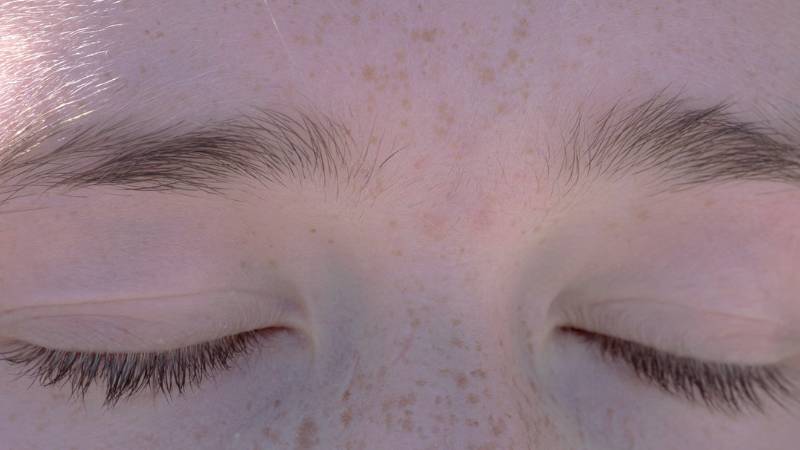
Melanin Suppression
Many hyper pigmentation cream formulas contain ingredients that reduce melanin production. Melanin is the pigment responsible for skin color, and hyperpigmentation occurs when it is produced unevenly or in excess.
Common melanin-suppressing ingredients include:
- Hydroquinone
- Alpha arbutin
- Kojic acid
- Tranexamic acid
These ingredients work by slowing down the activity of tyrosinase, an enzyme involved in melanin production. By regulating this pathway, a skin hyperpigmentation cream can gradually lighten dark spots without affecting the surrounding natural skin tone.
Increased Cell Turnover
Another key mechanism involves accelerating skin renewal. Ingredients such as retinoids, glycolic acid, and lactic acid increase cell turnover, helping pigmented cells shed more quickly.
As older, darker cells are replaced with new ones, the appearance of discoloration fades. This process also improves overall texture, making the skin look smoother and more even.
A hyperpigmentation cream that combines exfoliating agents with pigment inhibitors often produces more noticeable results than one targeting a single pathway.
Anti-Inflammatory Support
Inflammation can worsen or trigger pigmentation, especially in acne-prone or sensitive skin. Some products formulas include soothing ingredients such as niacinamide, licorice extract, or centella asiatica.
By calming inflammation, these ingredients help prevent new dark spots from forming. This is particularly important for individuals with post-inflammatory hyperpigmentation, where irritation plays a significant role.
A well-rounded skin hyperpigmentation cream not only fades existing spots but also reduces the risk of future discoloration when paired with consistent sun protection.
3. Choosing the Right Hyper Pigmentation Cream for Your Skin Type
Selecting the right cream depends heavily on your skin type, sensitivity level, and the cause of discoloration. Not every formula works the same for everyone, and using the wrong texture or strength may slow progress or cause irritation.
If your goal is faded hyperpigmentation, consistency and ingredient compatibility matter more than choosing the strongest product available. Matching the formula to your skin’s needs improves both safety and long-term results.
For Oily and Acne-Prone Skin
Oily skin is more prone to clogged pores and post-acne marks. A lightweight, non-comedogenic hyper pigmentation cream is ideal in this case.
Look for:
- Niacinamide to control oil and calm redness
- Salicylic acid for pore care
- Retinoids to increase turnover
- Tranexamic acid for stubborn dark marks
Gel or serum-based formulas often work better than heavy creams. Acne-prone skin benefits from products that both treat pigmentation and prevent new breakouts, since new inflammation can lead to additional dark spots.
For Dry or Sensitive Skin
Dry or reactive skin requires a gentler approach. A productfor sensitive skin should focus on gradual brightening without triggering irritation.
Look for:
- Azelaic acid
- Alpha arbutin
- Licorice extract
- Ceramides for barrier support
Avoid overly aggressive exfoliating acids if your skin is prone to redness. A cream-based formula with hydrating ingredients helps maintain the skin barrier while gradually improving tone.
Patience is important. Sensitive skin may take longer to see faded hyperpigmentation, but gentle consistency reduces the risk of rebound irritation.
For Melanin-Rich or Brown Skin
Melanin-rich or brown skin is more prone to post-inflammatory hyperpigmentation. For this skin type, irritation must be minimized because inflammation can worsen discoloration.
A suitable product may include:
- Tranexamic acid
- Kojic acid
- Niacinamide
- Low-strength retinoids
Sun protection is especially critical. Even small amounts of UV exposure can deepen pigmentation in melanin-rich skin. Daily broad-spectrum sunscreen enhances the effectiveness of any skin brightening routine.
Choosing the right formula and avoiding over-exfoliation can significantly improve faded hyperpigmentation without compromising natural skin tone.
4. How Long Does It Take for Hyper Pigmentation Cream to Work?
Results from a hyper pigmentation cream are gradual. Most people begin noticing subtle improvements within 4 to 6 weeks of consistent use. However, deeper pigmentation such as melasma may require 8 to 12 weeks or longer.
The timeline depends on:
- Depth of pigmentation
- Ingredient strength
- Frequency of application
- Daily sunscreen use
Without sunscreen, even the best hyper pigmentation cream may produce minimal results. UV exposure can trigger new pigment production and slow fading progress.
Consistency is more important than speed. Skipping applications or switching products too frequently can delay improvement. With steady use and proper sun protection, visible brightening and more even tone typically develop over time.
5. When Hyper Pigmentation Cream Is Not Enough
While a product can significantly improve mild to moderate dark spots, it is not always sufficient for deeper or more stubborn discoloration. Certain types of pigmentation sit deeper in the dermis, making them harder to treat with topical products alone.
You may need additional support if:
- Dark spots remain unchanged after 12 weeks of consistent use
- Melasma continues to return despite treatment
- Pigmentation appears very deep or bluish-gray
- Acne scarring is contributing to uneven tone
In these cases, dermatological treatments may be more effective. Options include chemical peels, laser therapy, microneedling, and prescription-strength hyperpigmentation treatment cream. These approaches target deeper pigment and can accelerate results when topical skincare is not enough.
However, even professional treatments typically require continued use of a skin hyperpigmentation cream and daily sunscreen to maintain improvements. Without maintenance care, discoloration can gradually return.
6. Conclusion
A well-formulated hyper pigmentation cream can play a powerful role in fading dark spots and improving uneven tone. By targeting melanin production, increasing cell turnover, and reducing inflammation, the right hyperpigmentation treatment cream can gradually lead to smoother, brighter-looking skin.
Results take time and consistency, especially when aiming for faded hyperpigmentation. When combined with daily sun protection and, if needed, professional treatments, a skin hyperpigmentation cream can be an effective part of a long-term pigmentation care routine.
Follow 456 Skin for expert-backed skincare insights and practical tips you can trust.
7. FAQs
What is the best hyper pigmentation cream for dark spots?
The best option depends on your skin type and pigmentation cause. Ingredients like hydroquinone, alpha arbutin, kojic acid, and tranexamic acid are commonly used in hyperpigmentation treatment cream formulas.
Can hyper pigmentation cream permanently remove dark spots?
Some dark spots can fade significantly, but maintenance is often needed. Sun exposure can cause pigmentation to return.
How often should I use a skin hyperpigmentation cream?
Most products are used once or twice daily, depending on ingredient strength. Always follow product instructions and use sunscreen.
Does hyper pigmentation cream work on melasma?
It can help, but melasma may require prescription treatments or professional procedures in addition to topical care.