
How to darken skin is a question many people ask when they want a warmer, sun-kissed glow without harming their skin. Whether you are preparing for summer or simply prefer a deeper tone, understanding how to darken skin safely is essential.
There are multiple ways to achieve this, from controlled sun exposure to sunless self-tanning products and professional treatments. In this guide, we explain what it really means to darken your skin, how to make skin darker without long-term damage, and which methods offer the safest, most natural-looking results.
1. What Does It Mean to Darken Skin?
When people search for how to darken skin, they are usually referring to achieving a deeper, warmer tone temporarily rather than permanently changing their natural skin color. Skin darkening most commonly happens through increased melanin production triggered by sun exposure, or through cosmetic products that create a bronzed appearance on the surface of the skin.

It is important to distinguish between natural tanning and artificial darkening. A true tan occurs when ultraviolet exposure stimulates melanocytes to produce more melanin as a protective response. Cosmetic tanning, on the other hand, works by staining or reacting with the outermost layer of dead skin cells to create a darker look.
Understanding this difference helps set realistic expectations. If you are exploring how to make skin darker, the safest approaches focus on surface-level tanning methods that do not involve excessive UV damage.
2. How to Darken Skin Safely
Learning how to darken skin safely means prioritizing methods that minimize long-term skin damage. While sun exposure can darken the skin, it also increases the risk of premature aging and skin cancer. For that reason, many dermatology professionals recommend sunless alternatives.
If your goal is to understand how to make skin darker without harming your skin barrier, the following options are generally considered safer than intentional sunbathing.
Sunless Self-Tanners
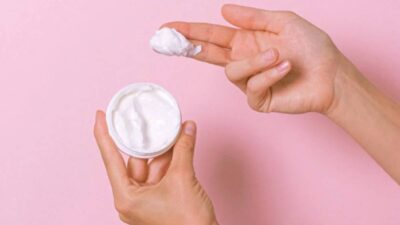
Self-tanning products are one of the most popular answers to how to darken skin without sun exposure. These products typically contain dihydroxyacetone, which reacts with amino acids in the outer layer of the skin to create a temporary brown tone.
Benefits of self-tanners include:
- No UV exposure
- Customizable depth of color
- Gradual fading over several days
Proper exfoliation before application helps achieve an even result. Moisturizing dry areas such as elbows and knees can also prevent patchiness.
Gradual Tanning Moisturizers
Gradual tanning lotions are designed to build color slowly over time. They contain lower concentrations of tanning agents, allowing you to control the depth of your tan.
For beginners exploring how to make skin darker, gradual moisturizers can be a good starting point because they reduce the risk of streaking and overly dark results. Daily application typically leads to subtle deepening of skin tone within a few days.
Consistency is key. Skipping days may lead to uneven fading.
Professional Spray Tan
Professional spray tanning offers a fast and even way to darken the skin without UV exposure. A trained technician applies a fine mist tanning solution evenly across the body.
Advantages include:
- Even coverage
- Immediate visible results
- Custom shade selection
Spray tans usually last about one week, depending on skincare routine and exfoliation habits. Avoiding long hot showers and harsh scrubs can help maintain the color longer.
For many people researching how to darken skin safely, professional spray tanning provides one of the most controlled and predictable outcomes.
3. How to Maintain a Natural-Looking Tan
Once you achieve your desired shade, knowing how to darken skin is only part of the process. Maintaining a natural-looking tan requires consistent skincare and proper maintenance.
First, keep your skin well moisturized. Hydrated skin holds color more evenly and prevents patchy fading. Dry areas such as elbows, knees, ankles, and hands tend to lose color faster, so applying lotion daily helps maintain a smooth, even appearance.
Second, avoid harsh exfoliation. While gentle exfoliation before tanning is helpful, over-scrubbing afterward can cause uneven fading. Use mild cleansers instead of strong exfoliating scrubs if you want your tan to last longer.
Third, limit long hot showers and excessive swimming. Chlorine and prolonged water exposure can speed up fading. Pat your skin dry instead of rubbing it with a towel to reduce streaking.
If you are learning how to make skin darker gradually, touch-up applications every few days can help maintain consistency. Applying a light layer of self-tanner or gradual tanning lotion can refresh the tone without creating buildup.
Finally, continue using sunscreen. Even if you have darkened your skin cosmetically, UV protection is still necessary to prevent damage and uneven pigmentation.
4. Common Mistakes When Trying to Darken Skin
Many people searching for how to darken skin make avoidable mistakes that can lead to uneven color or skin damage.
One common mistake is overexposing the skin to the sun. Attempting to tan quickly often results in burns rather than a smooth, deeper tone. Sunburn not only damages the skin barrier but can also cause peeling, which ruins the tan entirely.
Another mistake is skipping exfoliation before applying self-tanner. Without removing dead skin buildup first, the product may cling unevenly and create dark patches.
Applying too much product at once is also a frequent issue. Trying to achieve a deep color in one application can cause streaks or an unnatural orange appearance. Gradual layering produces more natural results.
People exploring how to make skin darker sometimes forget that different body areas absorb tanning products differently. Hands, feet, elbows, and knees should receive less product to prevent darker buildup.
Lastly, ignoring aftercare can shorten the life of your tan. Without moisturizing and gentle cleansing, even a professionally applied tan can fade unevenly.
5. Conclusion
Understanding how to darken skin safely allows you to achieve a deeper tone without unnecessary damage. Whether you choose sunless self-tanners, gradual tanning moisturizers, or professional spray tanning, the key is moderation, preparation, and consistent aftercare. Learning how to make skin darker the right way ensures that your results look natural, even, and healthy rather than patchy or overexposed. With proper skincare and sun protection, you can maintain a warm glow while protecting your long-term skin health.
Follow 456 Skin for expert-backed skincare insights and practical tips you can trust.
6. FAQs
How to darken skin naturally without sun damage?
Sunless self-tanners, gradual tanning lotions, and professional spray tans are safer alternatives to prolonged UV exposure.
How to make skin darker quickly?
Spray tans and self-tanners provide faster results than natural sun tanning. However, applying product gradually usually creates a more natural finish.
Does tanning permanently darken skin?
No. Most tanning methods, including sunless options, are temporary. Even sun-induced tans fade as skin cells renew.
Can darkening skin damage it?
Intentional overexposure to UV rays can damage the skin and increase long-term risks. Sunless methods are generally safer when used properly.