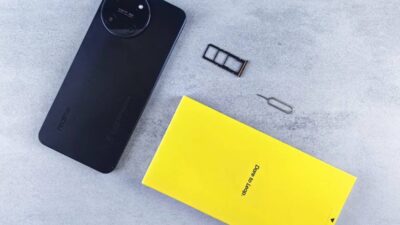

Finding the right phone is easy. Figuring out the best way to buy it is where things get confusing. One retailer offers the device with a carrier plan, while another advertises the exact same model as SIM free options, leaving many shoppers unsure what they’re actually paying for.
A SIM free phone comes without a SIM card or carrier contract. In this guide, you’ll learn what that means, how it compares with other options, and whether it’s the right choice for your next smartphone.
1. What Are SIM Free Phones?
SIM free phone is a mobile device that’s sold on its own, without a SIM card or a carrier contract. After purchasing it, you’re free to insert a SIM from almost any compatible network or activate an eSIM if the device supports one.

What does SIM free mean? For many people, it is simply having more control over how they use their phone. Instead of being tied to a specific carrier from day one, you decide which wireless plan best fits your needs and can switch providers later if you find a better deal.
It’s also worth noting that a SIM free phone isn’t necessarily the same as an unlocked phone. Although many models are both, the two terms describe different things.
2. SIM Free vs Unlocked Phones: What’s the Difference?
One of the biggest misconceptions is that SIM free and unlocked mean the same thing. They’re related, but they describe two different aspects of a phone.
A SIM free phones refers to how it’s sold.
An unlocked phone refers to which networks it can connect to.
In many cases, a phone is both SIM free and unlocked, but that’s not guaranteed. Checking the product listing before you buy can help you avoid compatibility issues later.
| Feature | SIM Free Phones | Unlocked Phone |
| What it means | Sold without a SIM card or carrier plan | Not restricted to one carrier’s network |
| Comes with a mobile plan | No | May or may not |
| Can you choose your own carrier? | Yes, after purchasing | Yes, if the phone supports the carrier’s network |
| Can the phone still be carrier locked? | In some cases, yes | No |
| What should you verify before buying? | Whether it’s also unlocked | Network compatibility and supported bands |
The easiest way to think about it is this: SIM free tells you how you buy the phone, while unlocked tells you how you can use it afterward.
If you want maximum flexibility, look for a phone that’s both SIM free and unlocked.
3. Why Buy a SIM Free Phones?
Buying a phone through a carrier isn’t the only option anymore. As more retailers sell devices outright, many people are choosing SIM free models because they separate the cost of the phone from the cost of mobile service.
That gives you more control over where your money goes and how often you change providers.
Freedom to Choose Any Carrier
Carrier promotions can look attractive at first, but they often tie the phone to a financing agreement or a specific network. If another provider later offers better coverage or a lower monthly bill, switching may not be as straightforward.
With a SIM free phone, you decide which carrier to use from day one. You’re free to compare plans, change providers when your needs change, or take advantage of promotional offers without replacing your device.
Easier International Travel
Using your regular carrier abroad can quickly become expensive, especially if your plan doesn’t include international roaming.
SIM free phones make traveling much simpler because you can insert a local SIM card or activate an eSIM after arriving at your destination. Local plans are often significantly cheaper and typically provide better data allowances than roaming packages from your home carrier.
No Long Term Carrier Contract
Many carrier deals spread the cost of a phone over 24 or 36 months. While the monthly payment may seem affordable, you’re effectively committing to the same provider for years.
Buying a SIM free phone upfront removes that commitment. You own the device immediately, making it easier to upgrade, sell, or switch wireless plans whenever it makes financial sense.
Read more: Does a SIM Card Store Photos? Don’t Lose Your Pictures by Mistake
4. Who Should Buy a SIM Free Phone?
A SIM free phone isn’t automatically the best choice for every buyer. If you prefer paying for a device over time through a carrier, a bundled plan may still be more convenient. However, for people who value flexibility, buying the phone outright often provides greater long-term benefits.
Frequent Travelers
People who regularly travel abroad can avoid expensive roaming charges by using local SIM cards or eSIM plans. Instead of relying on a single carrier, they can connect to the network that offers the best coverage and pricing in each destination.
People Switching Carriers
Coverage, pricing, and promotions change frequently. A SIM free phone lets you move between carriers whenever you find a better option, rather than waiting for a contract or financing agreement to end.
Anyone Buying a Phone Outright
Some buyers simply prefer owning their devices from the start. Paying upfront eliminates monthly device payments, gives you complete control over your phone, and often makes future upgrades or resale much easier.
5. What to Check Before Buying a SIM Free Phone
A SIM free phone gives you more flexibility, but it also means you’re responsible for making sure the device matches your needs. Spending a few minutes checking the details before you buy can save you from activation problems, missing features, or unexpected limitations later.
Network Compatibility
The biggest mistake buyers make is assuming every SIM free phone works on every carrier. That’s not always the case.
Different carriers use different frequency bands, and phones designed for one region may not fully support another. Before purchasing, verify that the model is compatible with your preferred carrier and supports the network technologies you need, such as 4G LTE or 5G.
If you’re buying an imported or refurbished device, this step becomes even more important.
Physical SIM or eSIM Support
Not every phone uses SIM cards in the same way anymore.
Some models still rely on a traditional nano SIM, while others support both a physical SIM and an eSIM. Certain versions, such as many U.S. iPhone 14 and newer models, are eSIM only.
Before buying, think about how you plan to use the phone. If you frequently travel or switch carriers, dual SIM or eSIM support can make managing multiple mobile plans much easier.
Warranty and Software Updates
Price isn’t the only thing worth comparing.
If you’re buying from a third-party retailer or importing a device, check whether the manufacturer’s warranty is valid in your country. It’s also worth confirming how long the phone will continue receiving operating system and security updates, especially if you expect to keep it for several years.
A lower upfront price isn’t always the better value if support ends much sooner than expected.
6. Pair Your SIM Free Phones With the Right Wireless Plan
Buying a SIM free phone means the hardware is yours from day one, but it won’t connect to a mobile network until you activate a wireless plan.
That’s where one of the biggest advantages of going SIM free really pays off: you’re free to compare carriers based on coverage, pricing, and features instead of accepting the plan that comes with the phone.
As you narrow down your options, look beyond the monthly cost.
Consider network coverage where you live, data allowances, hotspot availability, international features, and whether the carrier supports the type of activation your phone uses, whether that’s a physical SIM card or an eSIM.
If you’re in the United States, AirTalk Wireless is one option worth considering. As a participating provider in the federal Lifeline program, AirTalk offers eligible households free or low-cost monthly wireless service.
You can bring your own compatible SIM free phones and activate service using either a physical SIM or an eSIM on supported devices.

Not sure whether your phone supports eSIM? AirTalk’s Free eSIM Compatibility Checker lets you verify your device before you activate, helping you avoid surprises and get connected faster.
7. FAQs
Is there a phone without a SIM card?
Yes. Many phones are sold without a SIM card, including SIM free models. You’ll need to insert your own physical SIM or activate an eSIM before using mobile service.
What is the point of a SIM-free phone?
The main benefit is flexibility. A SIM free phone lets you choose your own carrier, switch providers more easily, and avoid being tied to a carrier contract when purchasing the device.
Can I buy a phone without a SIM?
Absolutely. Most manufacturers and major retailers offer phones without a SIM card or service plan, allowing you to activate the device with the carrier of your choice.
8. Conclusion
SIM free phones gives you more control over both your device and your wireless service. By understanding how it differs from carrier bundles, checking compatibility before you buy, and choosing a plan that matches your needs, you can enjoy greater flexibility without sacrificing convenience. Whether you’re switching carriers, traveling frequently, or simply buying your next phone outright, taking a few extra minutes to compare your options can help you make a smarter purchase.