

Streaming videos, working remotely, and connecting multiple devices have made mobile data more important than ever. That’s why many people are considering a data only SIM card instead of a traditional mobile plan, especially for tablets, hotspots, and other connected devices.
Before choosing one, it’s helpful to understand how data-only SIMs work, which devices they support, and whether they’re the right fit for your needs.
1. What Is a Data Only SIM Card?
A data only SIM card is a SIM that provides mobile internet access without including traditional voice calling or SMS services. Instead of connecting you to a phone plan for calls and texts, it’s designed primarily for devices that need a reliable internet connection.
Data-only SIM cards are commonly used in tablets, mobile hotspots, routers, laptops with cellular connectivity, and IoT devices. They allow these devices to access a carrier’s mobile network anywhere coverage is available, making them a convenient alternative to relying solely on Wi-Fi.
Some carriers also offer data-only plans that can be added to an existing account, while others provide standalone prepaid or postpaid options with different data allowances.
2. How Does a Data Only SIM Card Work?
A data only SIM card works much like a regular SIM card. Once inserted into a compatible device and activated, it authenticates your account on your carrier’s network and provides access to mobile data.
Instead of using your plan for voice calls or text messages, all of your data allowance is dedicated to internet-based activities such as:
- Browsing the web
- Streaming music and videos
- Video conferencing
- Downloading files
- Using navigation apps
- Connecting multiple devices through a mobile hotspot
Because the SIM connects to a cellular network rather than Wi-Fi, you can stay online in many places where wireless internet isn’t available.
The amount of data you can use depends on your plan. Some carriers offer fixed monthly data limits, while others provide unlimited data with possible speed reductions after a certain usage threshold.
3. Can You Use a Data Only SIM Card in a Phone?
Yes, in many cases you can use a data only SIM card in a smartphone, provided the phone is unlocked and compatible with your carrier’s network.
However, there are important limitations to keep in mind.
A data-only SIM generally doesn’t include traditional cellular voice or SMS services. That means you typically won’t be able to make regular phone calls or send standard text messages using your mobile number.
You can still use internet-based communication apps, including:
- FaceTime Audio and Video
- Google Meet
- Zoom
- Telegram
- Facebook Messenger
As long as your device has a mobile data connection, these apps work much like they would over Wi-Fi.
If your primary goal is staying connected for everyday calling, texting, and mobile data, a standard phone plan is usually a better option than a data-only SIM.
4. Who Should Use a Data Only SIM Card?
A data only SIM card is a practical choice for devices that primarily need internet access rather than traditional phone service.
Tablets and iPads
Many tablets include cellular connectivity, allowing you to stay online without depending on public Wi-Fi.
A data-only SIM gives you internet access for browsing, streaming, online learning, and remote work almost anywhere your carrier has coverage.
Mobile Hotspots and Routers
Portable hotspots and cellular routers are among the most common uses for data-only SIM cards.
Once activated, these devices can share a mobile internet connection with multiple phones, laptops, and tablets, making them useful for travel, business trips, or areas without reliable broadband service.
Travelers
Travelers often choose data-only SIM cards to stay connected while away from home.
Instead of paying expensive roaming charges, a local or international data-only SIM can provide affordable internet access for maps, translation apps, ride-sharing services, email, and messaging throughout the trip.
IoT Devices
Many Internet of Things (IoT) devices rely on mobile data rather than Wi-Fi.
Examples include security cameras, GPS trackers, smart meters, industrial sensors, digital signage, and fleet management equipment. A data-only SIM allows these devices to remain connected and transmit information wherever cellular coverage is available.
5. How to Choose the Right Data Only SIM Card
Not all data-only plans offer the same experience. Before choosing a data only SIM card, compare these key factors to find a plan that fits both your device and your usage habits.
Coverage
A generous data plan won’t help much if your carrier has weak coverage where you live, work, or travel.
Check the carrier’s coverage map before purchasing a SIM card, especially if you plan to use it in rural areas or while traveling frequently. Reliable network coverage is often more important than having the largest data allowance.
Data Allowance
Estimate how much data you’ll actually use each month.
Light users who mainly browse the web or check email may only need a few gigabytes, while streaming video, attending video meetings, or using a mobile hotspot regularly can require significantly more data.
Also pay attention to whether the plan includes unlimited data or reduces speeds after you reach a certain usage threshold.
Device Compatibility
Always confirm that your device supports both the SIM type and your carrier’s network.
Some devices require a Nano SIM, while others support eSIM or both. It’s also important to make sure your phone, tablet, hotspot, or router is compatible with the carrier’s network technologies and frequency bands.
Prepaid vs Postpaid
Both prepaid and postpaid data plans have advantages.
A prepaid plan is often a good choice if you want flexibility without a long-term commitment or credit check. A postpaid plan may offer larger data allowances, additional features, or discounted pricing when bundled with other wireless services.
Choose the option that best matches your budget and how often you expect to use mobile data.
6. Looking for an Affordable Way to Stay Connected?
A data only SIM card works well if your primary goal is internet access for a tablet, hotspot, or another connected device.
However, if you need a plan that includes calling, texting, and mobile data, a standard wireless plan may provide better overall value.
For people on a tight budget, the federal Lifeline program can help lower the cost of staying connected. Rather than purchasing a separate data-only plan, eligible households may qualify for discounted wireless service through participating providers.
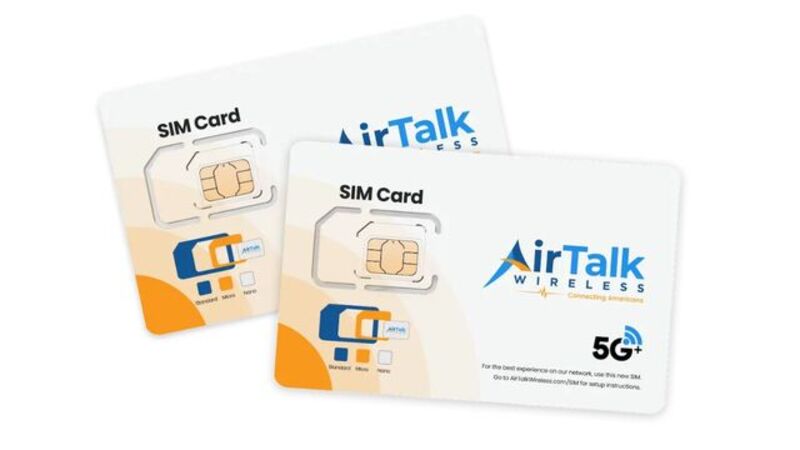
AirTalk Wireless is one of those participating Lifeline providers. Qualified customers can receive an affordable wireless plan that includes talk, text, and data.
They may also have the chance to receive a discounted smartphone, with activation available through a physical SIM card or eSIM on supported devices.
Eligibility is based on either household income or participation in certain government assistance programs.
In detail, households with incomes at or below 135% of the Federal Poverty Guidelines may qualify, as can individuals enrolled in programs such as Medicaid, SNAP, SSI, Federal Public Housing Assistance (FPHA), or Veterans Pension and Survivors Pension benefits.
Applying takes just a few steps:
- Visit the AirTalk Wireless website and enter your ZIP code.
- Select Apply Now and choose the Lifeline plan that fits your needs.
- Select an available smartphone if eligible, or use your own compatible device.
- Submit proof of eligibility if requested and complete the activation process after approval.
7. FAQs
Is there a SIM card just for data only?
Yes. A data only SIM card is designed specifically to provide mobile internet access without including traditional voice calling or SMS services. They’re commonly used in tablets, mobile hotspots, routers, and other connected devices.
Can I get a SIM card with only data?
Yes. Many mobile carriers and wireless providers offer prepaid and postpaid data-only SIM plans. Available data allowances, pricing, and supported devices vary by provider.
Does a data only SIM card come with a phone number?
In many cases, yes. A data-only SIM may be assigned a phone number for account identification or network management purposes, but that number usually can’t be used for standard voice calls or SMS unless your carrier specifically supports those features.
Can I use a data only SIM card as a mobile hotspot?
Yes, if your device supports hotspot or tethering features and your carrier allows it. Many people use data-only SIM cards in dedicated mobile hotspot devices or cellular routers to provide internet access for multiple connected devices.
8. Conclusion
A data only SIM card is a practical solution for tablets, mobile hotspots, routers, and other devices that need reliable internet access without a traditional phone plan. By comparing network coverage, data allowances, device compatibility, and plan options before you buy, you can choose a SIM that fits both your device and the way you stay connected.