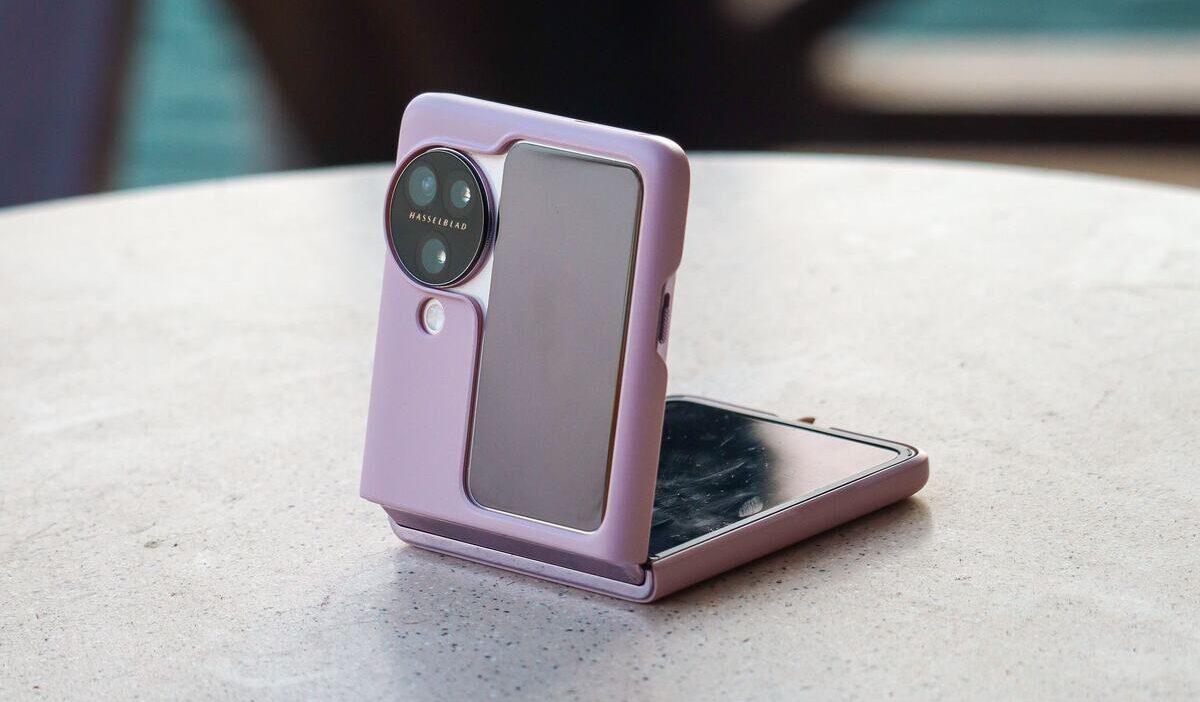
Flip phones are making a comeback, especially with modern foldable designs that combine compact size and smart features. At the same time, the flip phone with eSIM is becoming more relevant as eSIM turns into the standard for mobile connectivity.
This raises a common question: do flip phones actually support eSIM, and are they worth choosing in 2026? Let’s break it down clearly so you can decide what fits your needs best.
1. Do Flip Phones Support eSIM?
Not all flip phones support eSIM, and this is where many users get confused.
Most basic flip phones do not include eSIM functionality. These devices are designed mainly for simplicity: calling, texting, and long battery life at a low cost. Because of this, they often rely on physical SIM cards and use limited internal hardware that does not support eSIM technology.
On the other hand, newer flip-style devices, especially foldable smartphones, are a different category. These modern flip phones are closer to full-feature smartphones and often include eSIM support alongside physical SIM options.
In short, traditional flip phones focus on basic communication, while modern flip smartphones are built for advanced features, including eSIM connectitvity.
2. What’s The Best Flip Phone with eSIM? Explore Top Options
If you’re specifically looking for flip phones that support eSIM, your choices are mostly in the foldable smartphone category. Here are some of the top options in 2026:
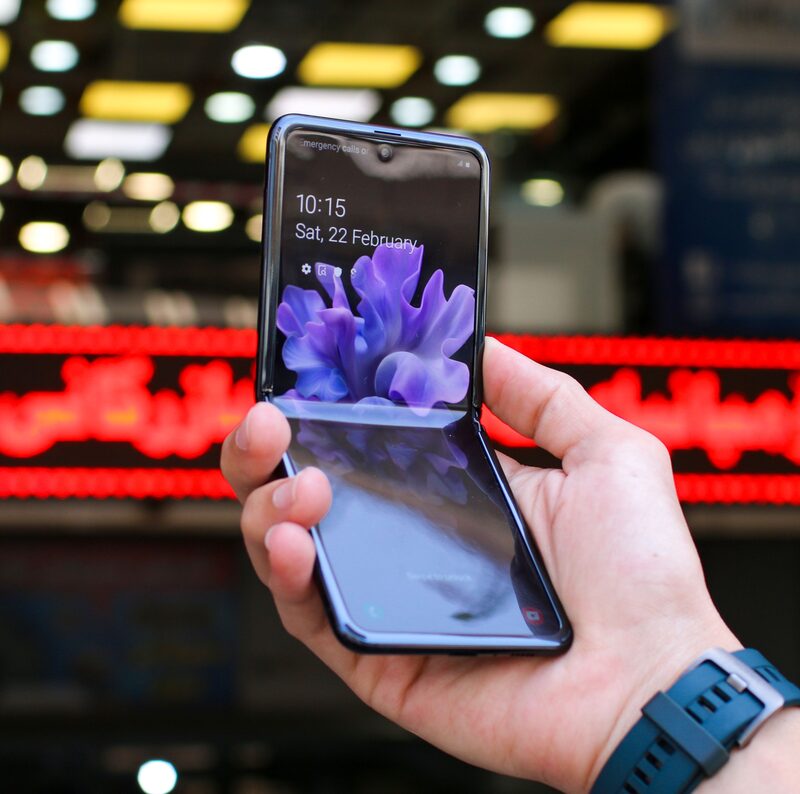
Samsung Galaxy Z Flip 5 / Flip 6
The Samsung Galaxy Z Flip series is the most popular foldable flip phone in the U.S., with millions of users choosing it for its compact design and flagship-level performance. Backed by major carriers, it has become one of the most recognized options in the foldable category.
Some of the most notable features that make this device stand out include:
- Compact clamshell design that easily fits in a pocket when folded
- 6.7-inch Dynamic AMOLED main display with smooth refresh rate
- External cover screen for notifications, calls, and quick actions
- Flagship Snapdragon processor for fast and stable performance
- Regular software updates and strong ecosystem support from Samsung
- eSIM support alongside physical SIM for flexible setup
What makes the Z Flip series appealing is how naturally it fits into everyday use. It doesn’t feel experimental or niche anymore.
Instead, it works like a regular smartphone, just in a more compact form. This flip phone with eSIM is why it tends to appeal to users who want both practicality and a premium feel in one device.
Motorola Razr+
The Motorola Razr+ is one of the most popular alternatives to Samsung’s flip phones in the U.S. market, known for its nostalgic design combined with modern smartphone capabilities.
It has gained strong attention thanks to its large external display, which is more functional than most competitors and allows users to handle apps, messages, and notifications without opening the phone.
Some standout features include:
- Large edge-to-edge cover display for apps and quick interactions
- 6.9-inch main pOLED display with smooth viewing experience
- Lightweight flip design with a clean, minimal Android interface
- High-end Snapdragon performance for fast everyday use
- eSIM functionality alongside traditional SIM options
Compared to Samsung’s approach, the Razr+ feels more flexible and “hands-on” from the outside screen alone. This makes it a strong flip phone with eSIM capability for users who prefer quick interactions without constantly unfolding the phone.
Samsung Galaxy Z Flip 4
The Samsung Galaxy Z Flip 4 remains widely available in the U.S. through carriers and third-party retailers, which makes it a more budget-friendly entry point into the foldable phone category.
Even though it is an older generation flip phone with eSIM model, it still carries the same core flip design that defines the Galaxy Z Flip lineup, combining portability with a full smartphone experience when unfolded.
Some key highlights include:
- Compact clamshell design that folds into a pocket-sized form
- 6.7-inch AMOLED main display with smooth everyday performance
- Smaller external cover screen for quick notifications and basic controls
- Reliable Snapdragon processor that still handles daily tasks well
- eSIM support available alongside physical SIM
- Strong build quality and continued software support from Samsung
Because it sits at a lower price point, the Z Flip 4 often becomes a practical entry option for users who want the foldable experience without committing to the latest flagship pricing.
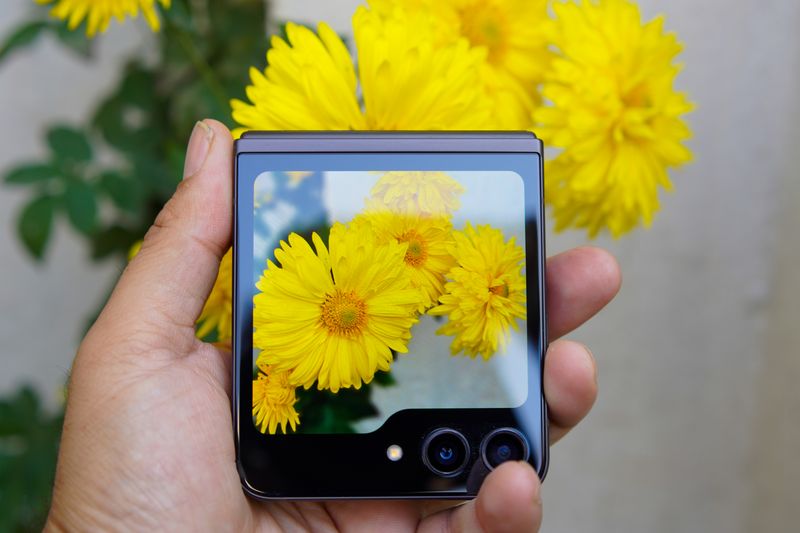
Motorola Razr 2023
The standard Motorola Razr models offer a more affordable alternative to the Razr+ while still keeping the iconic flip design.
Some of the key features that make it a practical entry-level option include:
- Compact clamshell design that fits easily in your pocket
- Full internal display for browsing, apps, and media use
- Smaller external screen for quick notifications and basic interactions
- Decent everyday performance for light to moderate use
- eSIM availability on select carrier configurations
This model works well as a “first step” into foldable phones. Instead of focusing on top-tier performance, it prioritizes accessibility and price, making it suitable for users who simply want the flip form factor with modern connectivity.
Overall, flip phone with eSIM are mainly found in Samsung’s Galaxy Z Flip series and Motorola’s Razr lineup, with newer models offering the best combination of design, performance, and connectivity.
>>> Also read: Is My Phone eSIM Compatible? A Complete Guide to Quick Activation (2026)
3. Regular Smartphone vs Flip Phone with eSIM: What’s the Better Choice?
When choosing between a flip phone and a regular smartphone with eSIM, it really comes down to lifestyle and priorities.
Flip-style foldable phones offer a compact and stylish design that stands out. They feel premium, fold into a smaller size, and are great for users who value aesthetics and portability.
However, they usually come with a higher price tag and sometimes shorter battery life compared to traditional smartphones.
Regular smartphones, on the other hand, are more practical for most users. They are generally more affordable, come in a wider range of models, and fully support eSIM functionality just like foldables.
You also get better battery efficiency, durability, and app performance for everyday use.
If your main goal is simply to use eSIM without focusing on design or foldable features, a regular smartphone is usually the smarter and more cost-effective choice.
4. Alternative: Get a FREE eSIM-Compatible Phone with AirTalk Wireless
If you’re looking for a more budget-friendly option, you may not need to buy a premium flip phone at all. Through programs like Lifeline, providers such as AirTalk Wireless offer free or heavily discounted smartphones that support eSIM in some models.
To apply, users typically need to meet basic eligibility requirements such as participating in government assistance programs or meeting income guidelines.
The application process is simple and can be completed online by submitting your information and verification documents. Once approved, you can choose from a selection of smartphones that may include:
- Apple iPhone SE (2nd or 3rd generation), offering reliable performance and eSIM support in newer models
- Apple iPhone 11, a balanced option with strong compatibility and long-term updates
- Samsung Galaxy S21 5G or Galaxy S22 5G, premium Android smartphones featuring fast 5G connectivity, powerful performance, and support for eSIM on compatible models.
- Google Pixel 4 or Pixel 5, known for clean Android experience and eSIM support
- Motorola G series (selected models), offering affordable performance with essential smart features
This option is especially useful if you want eSIM functionality without investing in expensive foldable devices.
If that sounds interesting, you can visit airtalkwireless.com today to explore available benefits and check whether you’re eligible.
Final Thoughts
A flip phone with eSIM represents an interesting mix of nostalgia and modern technology, but they are still limited to newer foldable smartphones rather than traditional models. While they offer a unique design and premium feel, they are not always the most practical choice for everyday users.
If your priority is convenience, affordability, and reliable eSIM usage, a regular smartphone or even a free eligible device through AirTalk Wireless may be the better option. Ultimately, the right choice depends on whether you value style or simplicity more in your mobile experience.