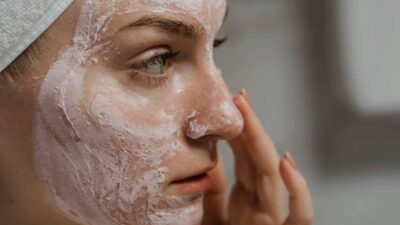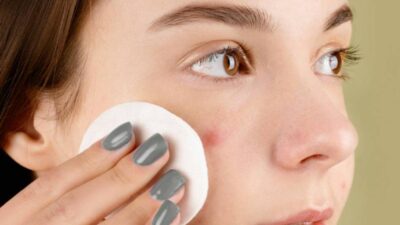
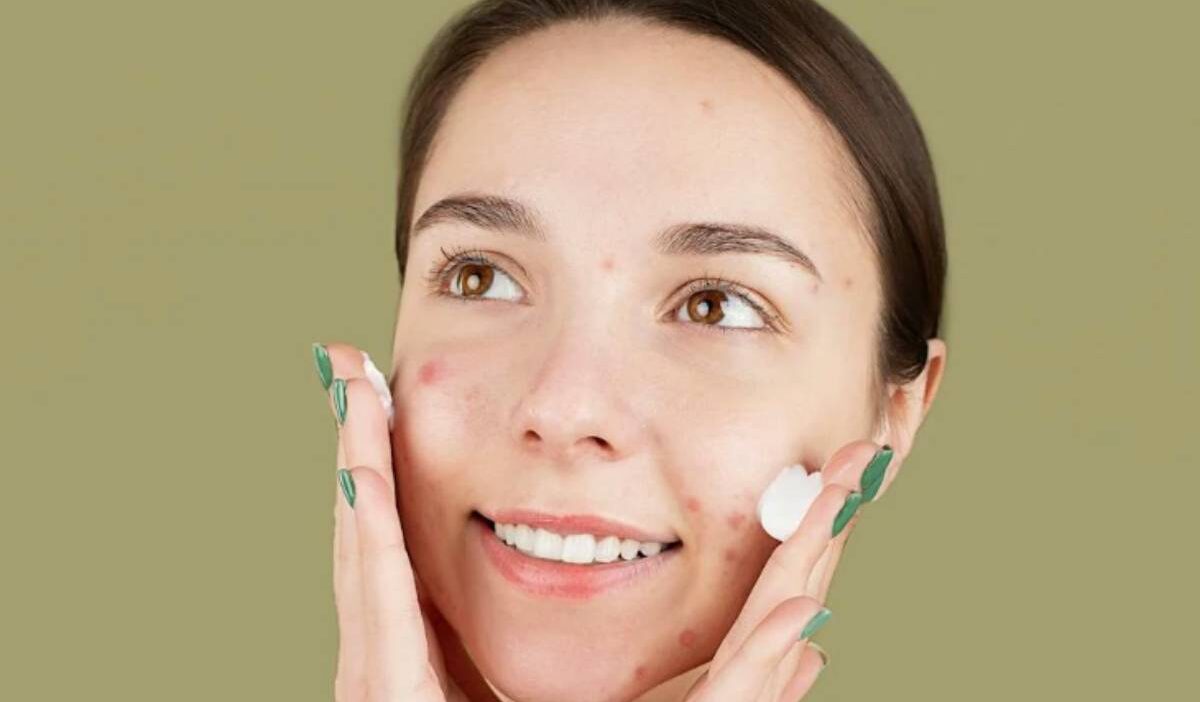
Oily acne-prone skin requires a careful balance between hydration and oil control. The best moisturizer for oily acne prone skin should deliver lightweight moisture without clogging pores or triggering additional breakouts.
Skipping moisturizer is not the solution. When skin becomes dehydrated, it may lead to increased oil production in some cases, which can worsen congestion and inflammation.
A suitable formula should support the skin barrier, calm redness, and absorb quickly without leaving a greasy residue.
This guide explains what to look for, which textures work best, and how to use moisturizer correctly alongside acne treatments to maintain clearer, more balanced skin.
1. What the Best Moisturizer for Oily Acne-Prone Skin Must Do
The best moisturizer for oily acne-prone skin must hydrate without clogging pores or increasing surface shine. Oil control alone is not enough. Acne-prone skin often experiences hidden dehydration, especially when active treatments like salicylic acid or benzoyl peroxide are used regularly. A suitable moisturizer should restore water balance while maintaining a lightweight feel.
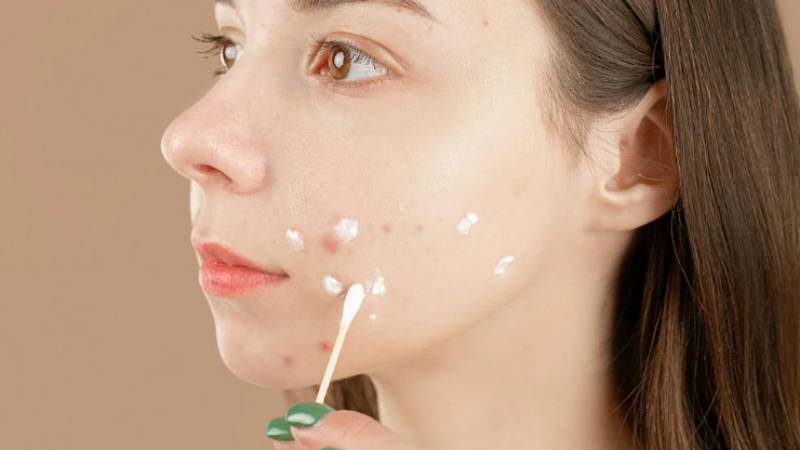
Barrier support is equally important. Frequent breakouts and exfoliating ingredients can weaken the skin’s protective layer, leading to irritation and redness. The ideal formula should strengthen the barrier, reduce inflammation, and improve tolerance to acne treatments. It should absorb quickly, layer well under sunscreen, and leave no heavy residue that may contribute to congestion.
Non-comedogenic labeling may help reduce the risk of clogged pores, but ingredient composition matters more. The formula should avoid pore-clogging emollients and focus on balanced hydration with calming and oil-regulating components.
2. Recommendations for the Best Moisturizer for Oily Acne Prone Skin
When selecting the best moisturizer for oily acne prone skin, lightweight texture and skin-balancing ingredients should guide your choice. Gel-based and oil-free lotion formulas are often more suitable than thick creams, especially for those prone to clogged pores.
Commonly recommended options include:
- CeraVe PM Facial Moisturizing Lotion: Lightweight, fragrance-free, and formulated with ceramides and niacinamide to support barrier repair.
- La Roche-Posay Effaclar Mat: Designed for oil control with a breathable finish.
- Paula’s Choice Clear Oil-Free Moisturizer: Specifically formulated for acne-prone skin types.
- Neutrogena Hydro Boost Water Gel (oil-free version): Provides lightweight hydration without heaviness.
- Bioderma Sébium Hydra: Suitable for acne-prone skin experiencing dryness from treatments.
Individual skin responses vary, so patch testing is recommended. The right choice should leave the skin feeling comfortable and balanced rather than tight or greasy.
3. Ingredients That Help Oily Acne-Prone Skin
Oily acne-prone skin benefits from ingredients that hydrate without clogging pores, calm inflammation, and regulate excess sebum. A well-formulated moisturizer should focus on balancing the skin rather than stripping it. The goal is to reduce breakouts while maintaining barrier strength and comfort.
Below are key ingredients that support acne-prone, oil-prone skin types.
Niacinamide for Oil and Redness Control
Niacinamide helps regulate sebum production and reduce visible redness associated with breakouts. It also strengthens the skin barrier and may improve the appearance of enlarged pores over time. Because it is generally well tolerated, niacinamide works well in daily moisturizers for acne-prone skin.
Ceramides for Barrier Repair
Frequent breakouts and acne treatments can weaken the skin’s protective barrier. Ceramides are lipids naturally found in the skin that help restore and maintain this barrier. Supporting barrier health reduces irritation, dryness, and inflammation, which can indirectly lower the risk of future breakouts.
Hyaluronic Acid for Lightweight Hydration
Hyaluronic acid attracts water into the skin without adding oil. This makes it ideal for oily complexions that need hydration without heaviness. Proper hydration may help reduce compensatory oil production in some cases.
Centella or Green Tea for Soothing
Inflammation plays a significant role in acne development. Ingredients such as centella asiatica and green tea extract provide calming and antioxidant benefits. These help reduce redness, support recovery, and improve overall skin comfort.
>>>Read more: Is Retinol Good for Dark Spots? What It Really Does for Hyperpigmentation
4. Gel, Lotion, or Cream: Which Texture Works Best?
Texture significantly affects how a moisturizer performs on oily, acne-prone skin. Gel formulas are typically the lightest option. They absorb quickly, feel breathable, and are less likely to leave a greasy film. For many people with oily skin, gel moisturizers provide sufficient hydration without heaviness.
Lotions offer a slightly richer consistency than gels but remain lightweight enough for daily use. They often balance hydration and comfort well, especially if acne treatments cause mild dryness.
Creams are the thickest option and may feel too heavy for very oily skin types. However, if acne treatments cause significant dryness or irritation, a light cream can help restore barrier strength at night. The best choice depends on your oil level, climate, and whether you are using active acne treatments.
5. How to Use Moisturizer With Acne Treatments
Acne treatments can be effective, but they often cause dryness, peeling, or irritation. Properly pairing moisturizer with active ingredients helps maintain barrier balance and reduces the risk of worsening inflammation. The key is applying products in the correct order and adjusting based on your skin’s tolerance.
Layering After Salicylic Acid
Salicylic acid works by penetrating oil-filled pores and dissolving buildup. After applying a salicylic acid toner or serum, allow it to absorb fully for about one minute. Follow with a lightweight moisturizer to prevent excessive dryness.
Hydrating immediately after exfoliation helps reduce tightness and irritation while maintaining oil balance.
Using With Benzoyl Peroxide
Benzoyl peroxide reduces acne-causing bacteria but can be drying. Apply benzoyl peroxide as directed, then follow with moisturizer once it has absorbed.
If irritation occurs, you can apply a thin layer of moisturizer first, then benzoyl peroxide, and finish with another light layer of moisturizer. This technique can reduce sensitivity without compromising effectiveness.
Buffering Retinol to Reduce Irritation
Retinol increases cell turnover and may cause redness or peeling, especially in the beginning. To reduce irritation, apply moisturizer before retinol or mix a small amount of retinol with moisturizer before application.
This buffering method allows your skin to gradually adjust while still benefiting from retinol’s renewal effects. Consistent hydration helps maintain barrier strength and improves tolerance over time.
6. FAQs
Can moisturizer make acne worse?
A heavy or comedogenic formula may contribute to congestion, but lightweight, non-comedogenic options are generally safe for acne-prone skin.
Should I skip moisturizer if my skin is very oily?
No. Skipping moisturizer can increase dehydration, which may trigger more oil production.
Can I use moisturizer with benzoyl peroxide or retinol?
Yes. Moisturizer helps reduce dryness and irritation when used correctly with active treatments.
Is gel moisturizer better for acne-prone skin?
In many cases, gel or lightweight lotion textures are more comfortable and less likely to feel heavy on oily skin.
How often should I moisturize if I have acne?
Most people benefit from moisturizing twice daily, especially when using drying acne treatments.
7. Conclusion
Oily acne-prone skin needs hydration just as much as oil control. The best moisturizer for oily acne prone skin supports the barrier, reduces inflammation, and absorbs quickly without clogging pores. Lightweight textures combined with balanced ingredients help maintain comfort while preventing excess shine.
Using moisturizer correctly alongside acne treatments improves results and reduces irritation. With the right formula and consistent routine, it is possible to manage breakouts while keeping skin balanced and resilient.
Follow 456 Skin for expert-backed skincare insights and practical tips you can trust.